
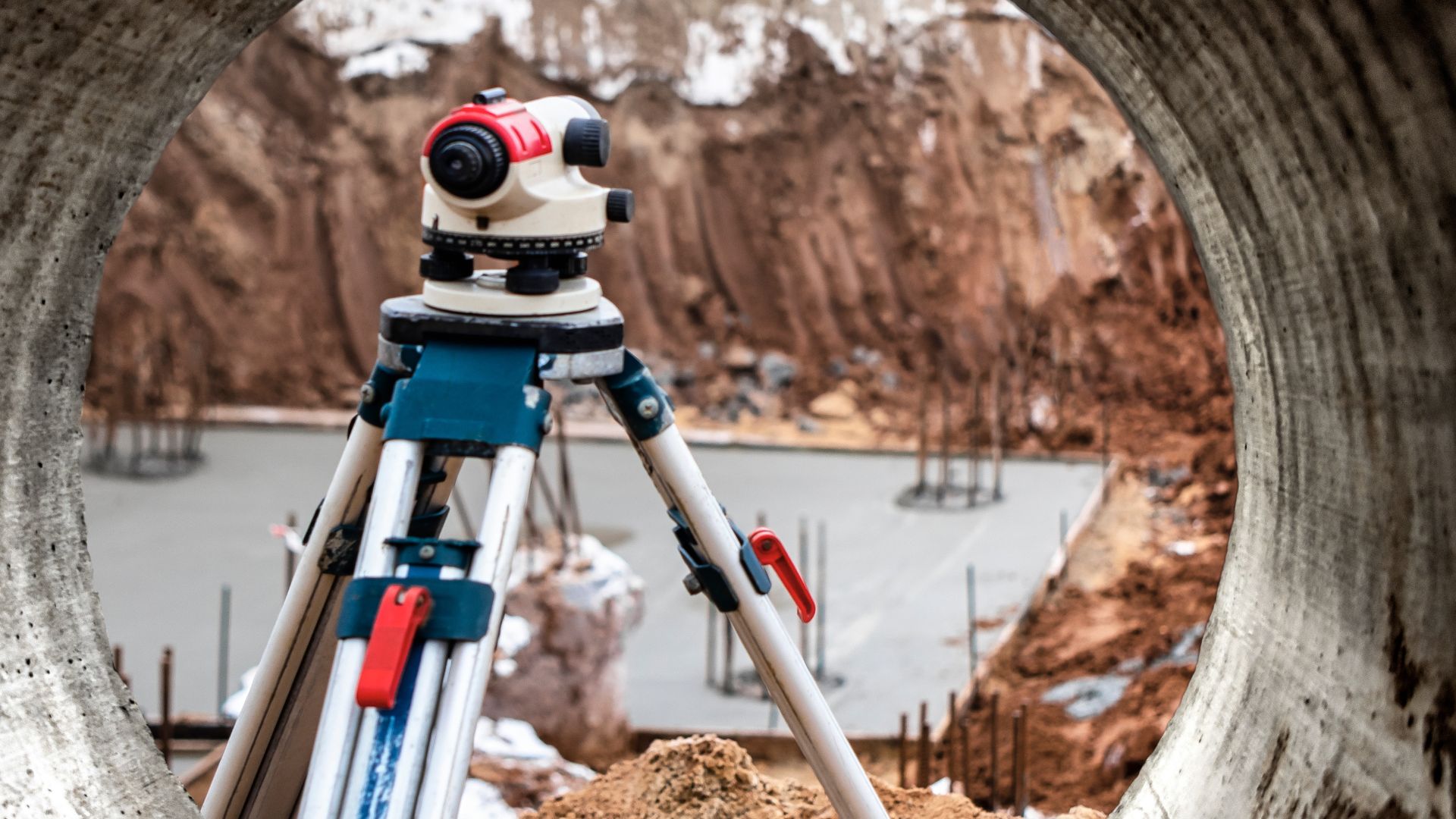
Photography is often described as the art of observation – capturing what others might miss, finding beauty or meaning in hidden details, and telling stories through light and perspective. But beyond galleries and nature landscapes, there’s another world where the power of the camera reveals the unseen – the underground networks of our cities and homes. Surprisingly, Drain Camera Inspection shares many principles with professional photography. Both rely on clarity, focus, lighting, and the ability to see what the naked eye cannot.
Let’s explore how these two seemingly different worlds – art and plumbing – meet through the shared language of precision and vision.
Seeing What’s Hidden
A good photographer doesn’t just take pictures – they see. They look beyond the surface to capture emotions, textures, and patterns that tell a deeper story. Similarly, when professionals perform a drain camera inspection, their goal is not just to record what’s inside a pipe but to understand what’s really happening beneath the surface.
A photographer studies composition, color balance, and focus. A plumbing technician studies blockages, cracks, and flow irregularities. In both cases, the camera becomes an extension of human vision – a tool that helps translate what’s invisible into something we can clearly understand.
Whether it’s finding the perfect light in a portrait or tracing the source of a leak in a dark pipe, both depend on one essential skill: observation.
The Role of Light
Light is the soul of photography. According to National Geographic, great photos are born from the perfect interplay of light and shadow. The same is true for drain inspections. Inside a pipe, there is no natural light, so small but powerful LEDs are used to illuminate even the narrowest corners.
In both fields, light reveals truth. It exposes flaws, brings out hidden details, and tells a story. Without it, both photographers and plumbing experts would be working in complete darkness – literally and creatively.
Think about macro photography – when a photographer captures the intricate structure of a leaf or the reflection in a droplet of water. The challenge is similar in a drain inspection: the camera must reveal textures, shapes, and blockages within tight spaces. Both require careful lighting, angle control, and patience to get the perfect visual.
Precision and Technology
Modern cameras are marvels of technology. From high-resolution sensors to advanced autofocus systems, today’s photographers rely on equipment that can capture the finest details in any condition. Similarly, plumbing experts now use specialized camera systems that navigate through underground pipelines, offering HD visuals and real-time feedback.
Companies like Canadian Rooter have mastered the use of such technology to locate plumbing issues without unnecessary digging or guesswork. Just as a photographer uses the right lens for each shot, these professionals use flexible, waterproof cameras designed to move smoothly through bends and joints.
Both crafts demand accuracy – a slight shift in focus or angle can change everything. In photography, it might mean losing a beautiful shot; in drain inspection, it could mean missing the root cause of a blockage. Precision, therefore, becomes a shared value.

Storytelling Through Images
Photography is storytelling through images – each frame captures a moment, mood, or message. Similarly, every video or image captured during a drain camera inspection tells a story of the pipe’s journey.
When a photographer reviews their shots, they analyze the depth, lighting, and focus to interpret the image. A drain technician does the same, studying the visuals to determine what the problem is and how it can be solved. Both translate visual data into meaningful insights.
The emotional connection in photography is often artistic, while in plumbing, it’s practical – but the core skill of interpretation remains identical. Both use visuals to communicate a message that words alone cannot.
The Importance of Clarity
The beauty of a photograph often lies in its clarity – sharp focus, balanced exposure, and clean composition. In plumbing inspections, clarity is equally vital. A clear video feed helps experts make accurate diagnoses and prevent unnecessary repairs.
This shared focus on clarity reflects a universal truth: vision matters most when it reveals the unseen. Whether it’s a breathtaking mountain range or a tiny crack in a drainpipe, the ability to see clearly changes everything.
For photographers, achieving clarity might mean adjusting aperture and shutter speed; for technicians, it’s about using the right camera head size, lighting intensity, and resolution settings. Both are artists in their own right – one creating beauty, the other preventing damage.
Technology Meets Art
In both photography and drain camera inspection, technology has evolved to make vision sharper and storytelling stronger. The rise of digital photography transformed how we capture memories, while innovations in inspection cameras revolutionized how we maintain infrastructure.
This connection reminds us that cameras are not just artistic tools; they are instruments of exploration. From the depth of the ocean to the core of a pipe, they let us see the world differently.
When you think about it, the beauty of both lies in their shared purpose – to reveal what lies beneath the surface. The next time you admire a stunning photograph or see a video of a pipe inspection, remember that both are products of the same passion for detail and discovery.
In the end, photography and drain camera inspection might serve different purposes, but they share a deeper philosophy – that vision changes everything. Whether through the lens of a camera or the eye of a pipe inspection system, seeing beneath the surface allows us to understand, fix, and appreciate the unseen.
Just like every photograph tells a story, every inspection reveals one. And that’s the true art of seeing beneath the surface.